How to Prevent Transportation Issues at Events
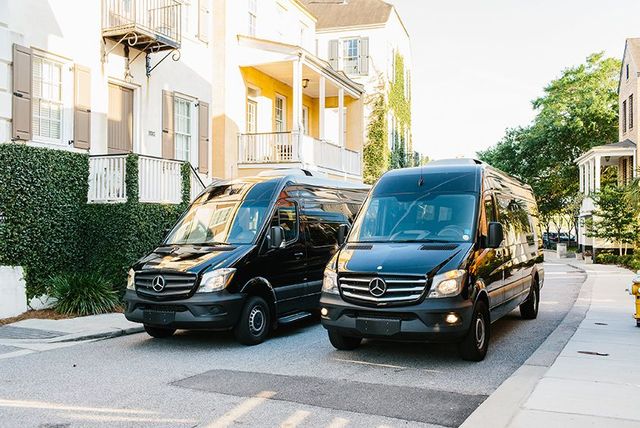
Every successful event begins long before the first guest arrives, and transportation plays a critical role in shaping that experience. Whether hosting business or social events, transportation affects the flow and perception. Ignoring transportation details can compromise the success and smooth operation of events. Small oversights can quickly turn into major disruptions that affect schedules, moods, and reputations. Understanding common transportation mistakes allows planners to take proactive steps toward excellence. Smooth transportation quietly enhances overall event quality.
Lowcountry Valet recognizes that small oversights can lead to major issues. Extensive event experience highlights recurring pitfalls in transportation. Common causes include last-minute arrangements, poor coordination, or misaligned assumptions. Addressing them early ensures that guests feel valued and respected from the moment they begin their journey. A well-managed transportation plan reflects professionalism and attention to detail. Here are typical transportation pitfalls and tips for ensuring smooth execution.
Failing to Allow Adequate Transit Preparation
One of the most common mistakes in event transportation is failing to allocate sufficient time for planning. Many organizers assume that booking vehicles can be handled quickly without detailed coordination. Rushing the planning process can result in overlap, shortages, and stress. Transportation involves more than simply selecting a vehicle; it requires route planning, timing analysis, and contingency preparation. Failing to plan in advance risks missing critical details. A structured timeline allows every logistical component to align smoothly.
Planning ahead allows adjustments and eases stress for all parties. Planning early helps account for fluctuations in group size and schedule. When transportation is arranged too close to the event date, options become limited and compromises are more likely. Adequate preparation also makes it easier to coordinate with venues, security teams, and event staff. Structured planning ensures information is shared clearly. Proper planning time ultimately protects the integrity of the entire event experience.
Ignoring Guest Arrival and Departure Patterns
Planners often underestimate the importance of guest flow. Many gatherings include multiple check-in times, transport groups, and different leaving times. Overlooking arrival and departure timing leads to overcrowding and disorder. Transit arrangements should match practical attendance patterns. Recognizing arrival and exit trends supports proper fleet usage. It also ensures that no guest feels neglected or rushed.
Understanding arrivals and departures allows smoother coordination and shorter waits. Mapping guest timing enables optimal placement of vehicles. Optimized transit allocation improves service and reduces delays. Careful planning improves security and order at key locations. Proper coordination prevents overcrowding and miscommunication. Well-managed arrivals and departures create a smooth and polished event.
Neglecting Stakeholder Communication
Poor coordination between planners, venues, and transport teams causes issues. Planners, staff, and drivers need timely and precise updates. Delayed messages often result in confusion and missteps. Misunderstandings about schedules, access points, or guest priorities can disrupt operations. Consistent updates ensure accountability and teamwork. It also promotes faster problem resolution when unexpected situations arise.
Scheduled meetings and written guides improve coordination. These tools ensure that everyone understands their responsibilities and expectations. Open channels of communication allow for quick adjustments without confusion. Coordinated teams ensure transit works seamlessly with the overall event. Consistency in messaging builds trust and reliability. Effective coordination improves perceived quality and efficiency.
Choosing Inappropriate Vehicle Types
Incorrect vehicle selection often leads to logistical problems and dissatisfaction. Each type of event has unique transit requirements depending on attendees and agenda. Inappropriate vehicle choices lead to overcrowding, accessibility challenges, and diminished guest satisfaction. Lowcountry Valet ensures transportation options suit the occasion. Capacity, amenities, and layout must align with the purpose of the journey. Thoughtful selection ensures that every ride supports the event’s objectives.
The right vehicle type supports smooth timing and operational flow. Larger groups require vehicles designed for efficient boarding and disembarking. Professional gatherings benefit from calm and distraction-free transportation. Special occasions often benefit from enhanced comfort and visual appeal. Evaluating these factors prevents mismatches that disrupt schedules. Choosing the right vehicles maintains professionalism and efficiency.
Not Planning for the Unexpected
Unexpected changes are inevitable in event management, yet many transportation plans lack flexibility. Weather shifts, schedule adjustments, and last-minute guest additions are common occurrences. Unplanned events can cause delays if no alternatives are in place. Inflexible arrangements limit problem-solving options. Being prepared for changes safeguards the event’s flow. Contingency measures reduce tension and maintain efficiency.
Having backup transport, varied paths, and clear contact methods ensures readiness. Prepared systems let staff adjust quickly and effectively. Flexibility also involves empowering staff to make informed decisions in real time. When teams are prepared for uncertainty, service continuity is maintained. Adaptable transportation systems preserve event momentum. Prepared systems demonstrate competence and dependability.
Neglecting Guest Comfort and Experience
Focusing solely on logistics while ignoring guest comfort is a significant oversight. Guest impressions begin and end with transit. Unpleasant transit experiences can affect overall perception. Comfortable check here seating, climate control, and smooth travel contribute to positive perceptions. Focusing on passenger comfort signals care and professionalism. Prioritizing comfort improves event reception.
Comfortable transit sets the tone for a welcoming atmosphere. Satisfied guests are ready to engage fully with the event. Minor issues can escalate without proper attention. Ensuring a smooth ride minimizes disruptions. Attendee satisfaction promotes timely and cooperative behavior. Prioritizing passenger needs enhances credibility and impression.
Neglecting Staff Roles and Skills
Staff mismanagement can undermine even thorough transit planning. All staff members need to work in sync for smooth operations. Untrained staff may provide uneven or unreliable service. Staff members should understand event schedules, guest priorities, and contingency procedures. Training ensures staff act decisively and professionally. Coordinated teams deliver dependable performance.
Continuous development maintains high-quality performance. Training emphasizes service etiquette, attentiveness, and efficiency. Well-informed staff can anticipate issues before they escalate. Defined hierarchies ensure roles and responsibilities are clear. Staff with defined duties maintain operational flow. Effective teamwork improves the attendee experience.
Neglecting Post-Event Assessment
Event managers often skip reviewing transportation outcomes. After the event, travel logistics are seldom examined. Skipping review limits future enhancements. Evaluating schedules, guest input, and logistical issues provides learning opportunities. Lowcountry Valet incorporates feedback to enhance ongoing excellence. Analysis turns lessons into actionable improvements.
Reviewing transportation aids better planning for upcoming events. This process highlights strengths and areas for improvement. Keeping track of feedback supports long-term improvements. Transparent evaluation strengthens professional partnerships. Consistent evaluation demonstrates commitment to excellence. Lessons from each event help refine and optimize transit.